Different Seats, Different Missions
It's been a busy couple of weeks for Chinagraph. From Lincolnshire to Barcelona, from historical research to arcade machines, and from development to my first proper playtests.
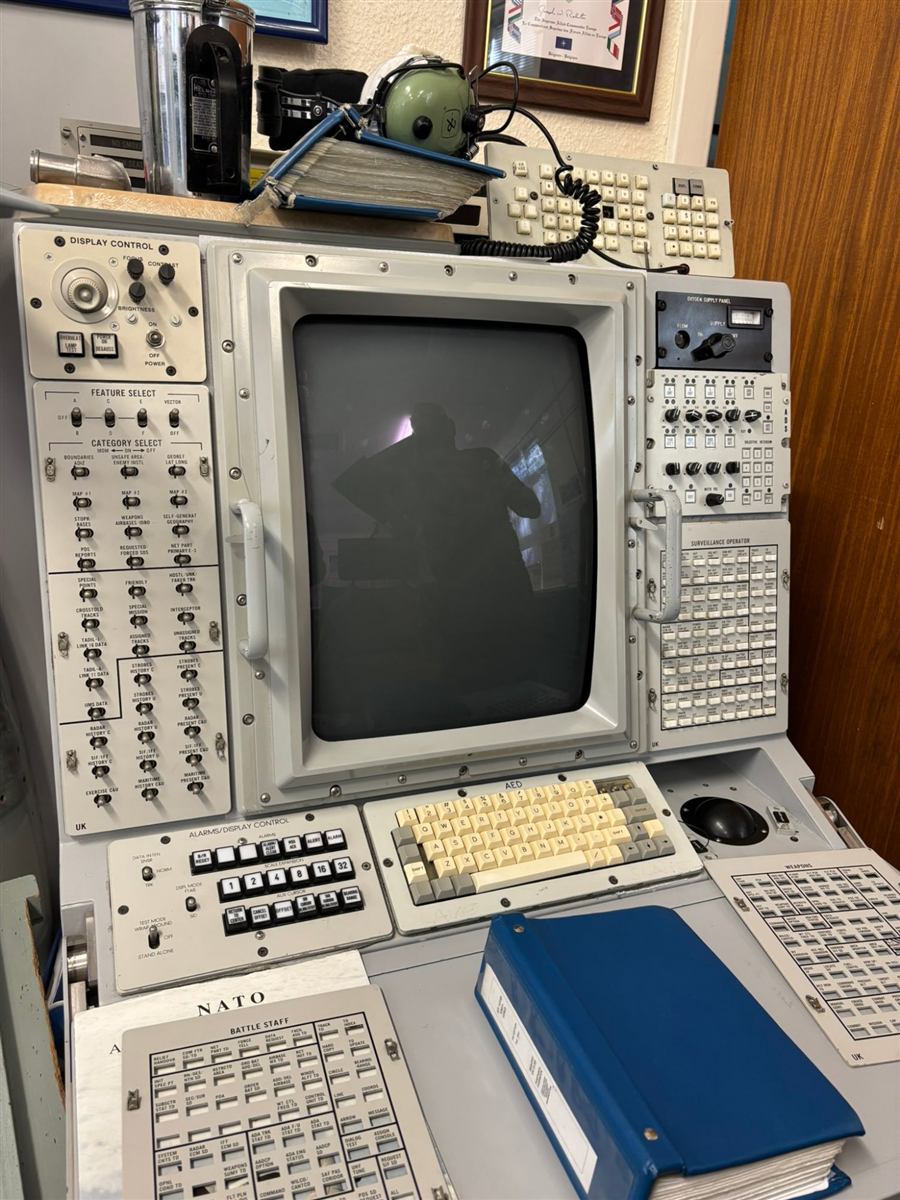
During my recent trip to Lincolnshire, I visited the RAF Waddington Heritage Centre and the International Bomber Command Centre. Among the many fascinating exhibits at Waddington was an AWACS operator's console, a reminder of how much aviation technology has evolved, but also of the importance of gathering, interpreting and acting upon information.
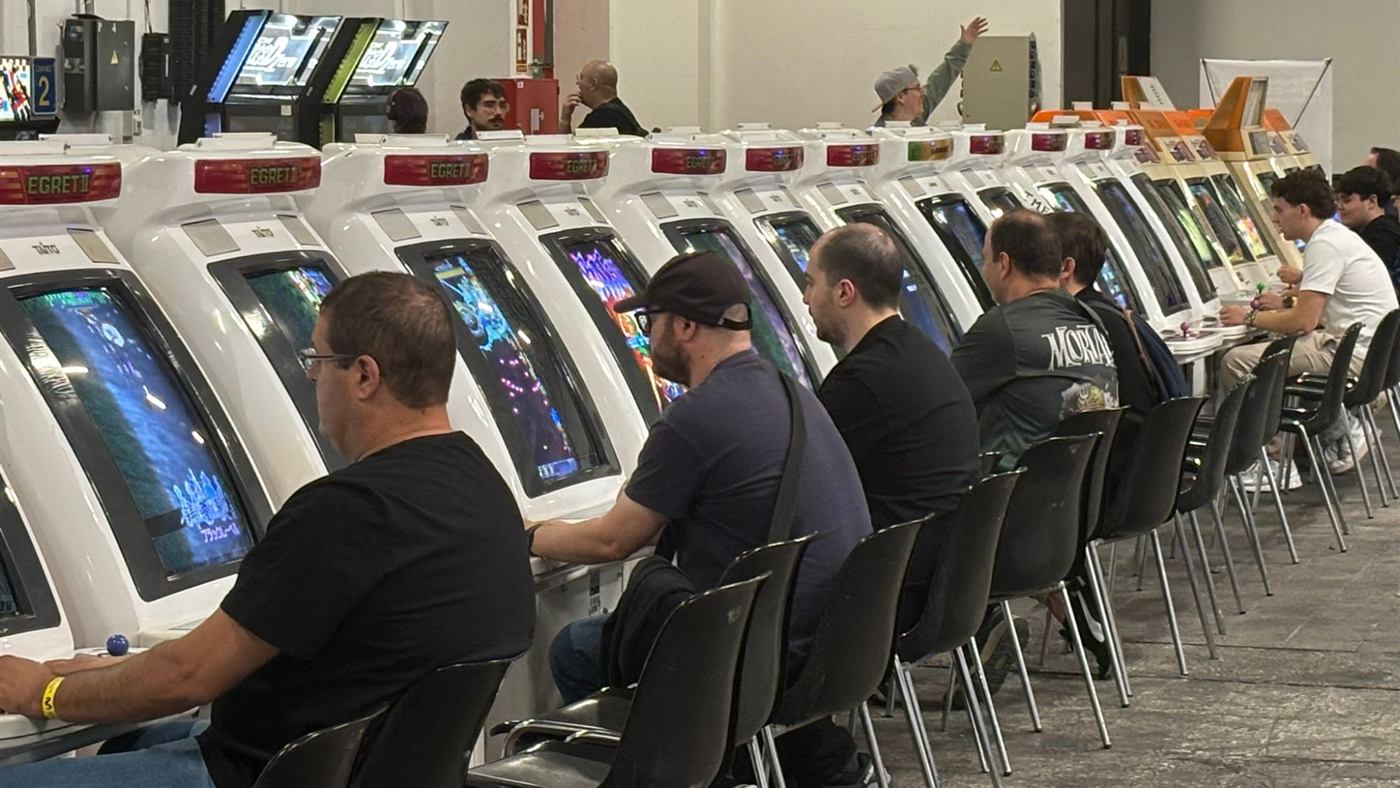
A few days later, I found myself at SAGA Barcelona Game Fest, looking at a very different row of seats: arcade machines, with players fully absorbed in their games. Different seats, different purposes. Both fascinating in their own way. And somewhere between the two sits Chinagraph.
Back to SAGA
SAGA was also a great opportunity to catch up with industry colleagues, discover what other developers are working on and discuss Chinagraph. Talking about a game you're developing is always an interesting exercise. It forces you to explain what you're trying to achieve, sometimes revealing things you hadn't fully considered yourself. And, of course, there was time to enjoy the games.
The first proper playtests
Perhaps the most important milestone of these past weeks has been my first playtesting sessions with three experienced game designers. The feedback was encouraging: they liked the concept, the historical setting and the core gameplay loops, but also identified areas that need attention, particularly the overall flow, how players understand and track their progress, and aspects of the user experience and interface.
Having an interesting concept and engaging mechanics is one thing; making sure players understand what they're doing, why they're doing it and how they're progressing is another. I'm now incorporating their feedback into the prototype ahead of the next round of testing.
Developing the FTUE
My immediate priority is to lock the first level, which includes the tutorial and is a key element of the current prototype. Level 0, Training in Friendly Skies, is where this happens. It's the game's First-Time User Experience (FTUE): where players learn the fundamentals of photographic interpretation by examining aerial photographs, identifying features and preparing their first intelligence assessment.
It's also where I need to address much of the playtesting feedback, making sure the mechanics are introduced naturally, progression is clear and the interface is intuitive. A player's first minutes with the game set the tone for everything that follows, so getting the FTUE right is essential before I move on to polishing the more complex missions. I'm not quite there yet, but I have a much clearer picture of what needs to be done.
Report for duty
I'm getting ready for the next round of playtesting, and I'd like you to be part of it! Whether you're interested in WWII history, aerial reconnaissance, hidden-object games or simply curious about Chinagraph, your feedback can help me make the game better.
Want an early look at Chinagraph and help shape its development? Sign up as a playtester at medmenham.games and join the unit!
More dispatches from the unit soon.